Below are a few examples of words used to encourage, motivate and make sense of in the cancer matrix :
Be strong
I have been more surprised by the wide use of the sentiment ‘to be strong’. Does it not underestimate the pillar of strength for every single one living with cancer? Are we really telling those who don’t get better they are not strong? That’s not respectful in a way. It underestimates the daily dose of courage that those who spend their days dying and living.
“Labels hurt. I have patients with incurable metastatic cancer who proudly wear the label “survivor” — they are, after all, surviving…….. The power of any individual is greater than a single word — let’s not use such restrictive language to describe or define.”
Fight
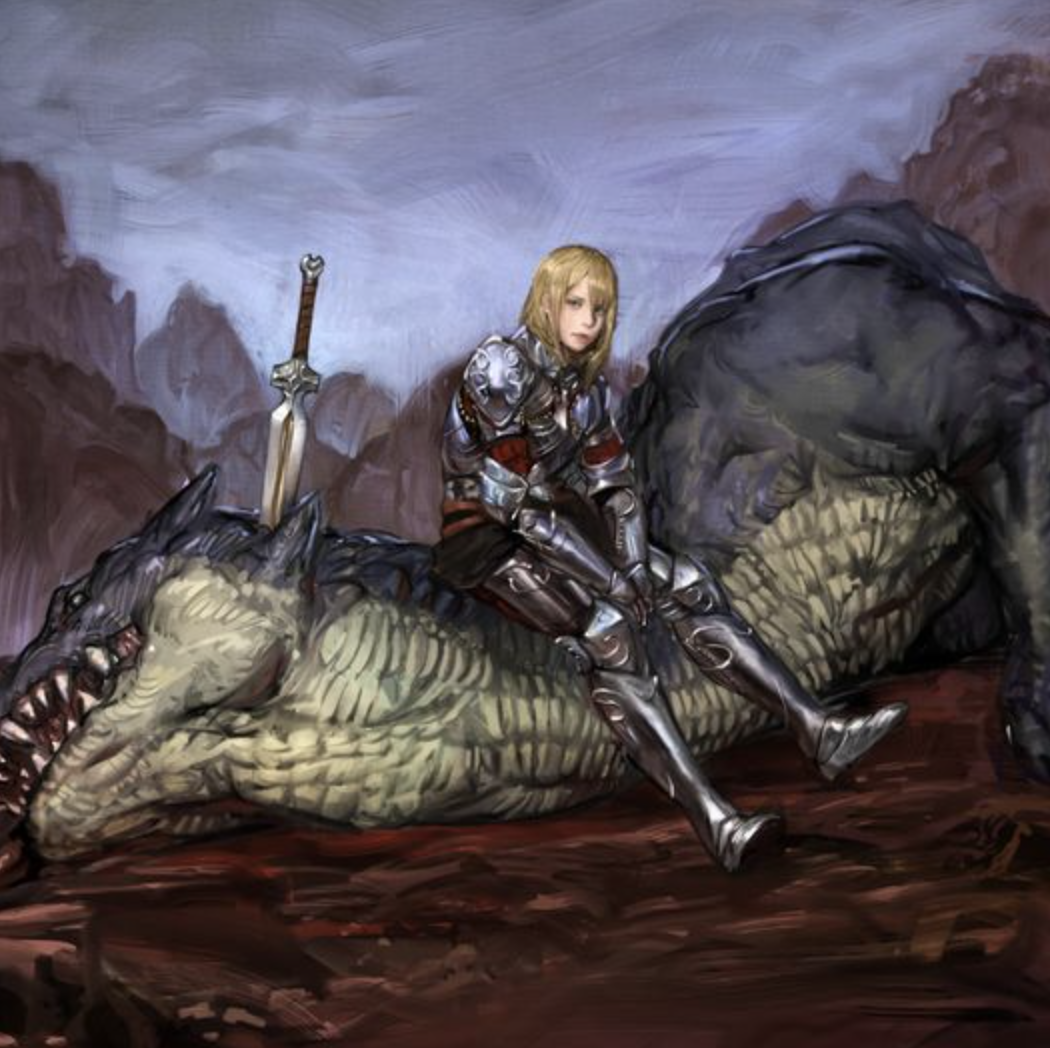
Patients, physicians, and the general public can use metaphors to make cancer more understandable. However, words such as “battle” or “fight” are not the most useful since they suggest that cancer can be defeated if one just fights hard enough. It may also imply that patients did not fight hard enough, and that if they had fought harder, they would have won.
‘They lost the battle’. No patients lost; no patient was not strong enough to win a battle. Trust me. They did not lose.
Uncertainty
Cancer’s shadow.
Almost always, the first question to any oncologist is: will I die? The need is for the oncologist to deliver certainty about the most uncertain phenomena. The most certainty we have is death and, in fact, uncertainty. So while we are so certain about death, the one thing we want is the certainty that we won’t die. When we wake up, leave the house, and get into the car, we are confident to continue until we die despite knowing we could die. So why does cancer = death?
So how do we deal with this ever-present feeling?
We can remember that time seems to be the great healer of uncertainty. We can balance this uncertainty with power because it could neutralise this trauma.
We hope. HOPE. We hope to make it through, and we hope to avoid. The irony is that hope is intrinsic to uncertainty. If you had certainty, then you would not need hope!
I want to share this wonderful depiction of uncertainty by the Rabbi in an episode of Amsterdam. After being faced with the choice of a 90% chance of dying during surgery, you could spend the time left happy with your wife and family…OR accept a 10% chance of living if you have the surgery. Not great odds. What would you do? The Rabbi decides not to have surgery and spend time with his family. He changes his mind.
”I could be home with my family, but I’ll still be a patient. After the surgery, I’ll either be alive or dead, but I won’t be a patient. So I accept some things might be worth the risk.”
Thus, you have to accept uncertainty or accept the only certainty of your decision.
Guilt
Why do those living with cancer experience so much of it? Guilt is, some say, inward anger. The discourse of cancer is one of blame—that you did something to cause it. Is this the root of guilt? There is so much responsibility once you are diagnosed for everyone around you. The responsibility for your family, what will happen to your children – oh my, is there nothing more guilt-inducing than what will happen to them due to you having cancer? A lot of guilt is surrounded by not feeling worthy or even entitled to wanting or worthy of receiving. The principle of free will, in large part, is that sovereign self that is free to choose. Cancer patients are robbed of this, their sovereign self, and the freedom to choose. So much of the journey is spent regaining this.
By being aware of these words, I hope that you will develop a greater understanding of the courage, hope, and strength cancer patients need to live with every day.
Dr. Prinitha Pillay is a Specialist Radiation Oncologist in Gauteng. She is practicing in Johannesburg, offering radiation cancer treatments, comprehensive palliative care and psycho-social support. She offers a variety of treatments including Breast Cancer Treatment, Gynaecological , Gastrointestinal, Lung Cancer Treatment, Paediatric, Head and Neck, Prostate Cancer Treatment, Brain Cancer Treatment, Dermatological and Musculoskeletal Cancer Treatment.